In a world buzzing with distractions, breath awareness might just be the secret sauce to reclaiming calm. Imagine being able to hit pause on life’s chaos simply by tuning into your breath. It’s like having a remote control for your mind—no batteries required!
Understanding Breath Awareness
Breath awareness serves as a crucial method for cultivating calm in everyday life. Focusing on breath creates an opportunity to manage stress and distractions.
The Importance of Breath in Daily Life
Breath plays an essential role in maintaining physical and mental health. It regulates oxygen flow, impacting energy levels and cognitive function. In tense situations, breath often becomes shallow or rapid, signaling anxiety. By recognizing breath patterns, individuals can gain insight into their emotional states. Cultivating awareness of breath encourages mindfulness, leading to more deliberate responses instead of impulsive reactions.
Benefits of Practicing Breath Awareness
Practicing breath awareness offers numerous advantages for personal well-being. Enhanced focus emerges as individuals concentrate on their breathing, promoting better concentration on tasks. Stress reduction results from deeper breathing, which activates the body’s relaxation response. Improved emotional regulation follows, enabling individuals to respond calmly to challenges. Many find that increased self-awareness accompanies consistent breath practice, fostering a greater understanding of personal triggers and reactions. Regularly engaging in this practice positively impacts mental clarity and overall quality of life.
Techniques for Cultivating Breath Awareness
Breath awareness can easily be cultivated through various techniques. Each technique offers unique benefits that enhance mindfulness and emotional regulation.
Mindfulness Breathing Exercises
Mindfulness breathing exercises promote focus and relaxation. Practicing deep abdominal breathing encourages full oxygen exchange. This method involves inhaling deeply through the nose, allowing the abdomen to expand, and exhaling slowly through the mouth. Engaging in rhythmic breathing can also enhance awareness. Sitting comfortably, individuals can count their breaths, inhaling for a count of four and exhaling for a count of six. Regularly dedicating five to ten minutes to these exercises fosters a connection between breath and present-moment awareness.
Integrating Breath Awareness into Meditation
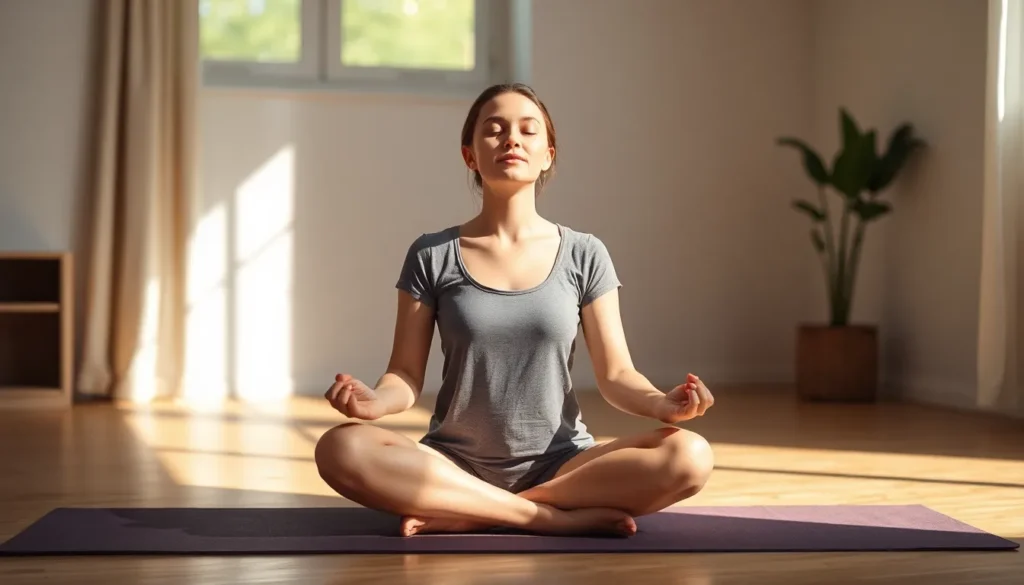
Integrating breath awareness into meditation enhances overall mindfulness practice. Individuals can anchor their attention to their breath during sessions. By noticing the sensations of each inhalation and exhalation, one cultivates a deeper state of presence. Selecting a comfortable posture significantly contributes to this experience. Through guided meditation or silent practice, the focus on breath allows thoughts to pass without engagement. Regular meditation with breath awareness can lead to improved emotional responses and heightened self-awareness, enriching daily life.
Common Challenges in Breath Awareness
Practicing breath awareness poses certain challenges. Understanding these obstacles helps individuals enhance their practice.
Overcoming Distractions
External stimuli often disrupt focus during breath awareness. Individuals might face noises, visual distractions, or even their own racing thoughts. Creating a designated space for practice can significantly reduce these interruptions. Setting aside specific times for breath exercises enhances consistency. Incorporating calming elements, such as soft lighting or soothing sounds, fosters an environment conducive to concentration. Practicing in a quiet area trains the mind to draw attention inward, successfully minimizing distractions.
Dealing with Anxiety Through Breath Awareness
Anxiety frequently surfaces during breath awareness practice. Heightened awareness of one’s breath can trigger feelings of panic for some individuals. Recognizing these sensations lays the groundwork for overcoming them. Slow, controlled breathing reduces physical symptoms of anxiety. Techniques like the 4-7-8 breathing method allow individuals to regain composure when anxiety spikes. With regular practice, breath awareness can transform the relationship with anxiety, promoting a sense of calm and control over emotional states.
Enhancing Breath Awareness in Various Practices
Breath awareness plays a crucial role in many practices that promote mindfulness and tranquility. By focusing on breath, individuals tap into a powerful tool for enhancing overall well-being.
Yoga and Breath Awareness
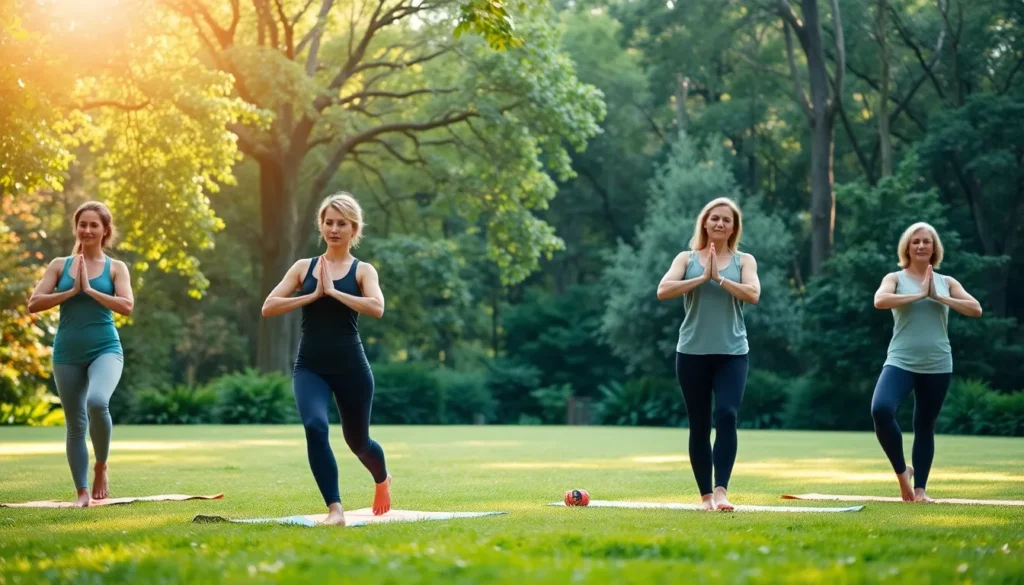
Yoga integrates breath awareness into its practice, emphasizing the connection between breath and movement. Practitioners use techniques like Ujjayi breath to cultivate focus and deepen their experience on the mat. Each pose encourages mindful breathing, which helps release tension and improve flexibility. Furthermore, synchronizing breath with movement fosters a sense of harmony, amplifying both physical and mental benefits. Regular practice enhances emotional regulation, leading to increased calmness and mental clarity.
Breath Awareness in Mindfulness Practices
Breath awareness significantly enriches various mindfulness practices. Techniques such as body scans and mindful walking incorporate breath as an anchor for attention. In these practices, participants focus on inhalations and exhalations to maintain present-moment awareness. Additionally, sensory elements like sound and touch deepen the experience, helping individuals stay connected to their breath. Enhanced breath awareness contributes to stress relief and promotes a greater sense of self-awareness. Practitioners often report improved emotional resilience, leading to more thoughtful responses in daily life.
Embracing breath awareness opens doors to a more mindful and centered life. By focusing on the breath, individuals can navigate daily challenges with greater ease and clarity. This practice not only enhances emotional regulation but also fosters a deeper connection to the present moment.
With consistent effort and the right techniques, breath awareness can transform how one experiences stress and anxiety. It empowers individuals to respond thoughtfully rather than react impulsively. Ultimately, integrating breath awareness into daily routines enriches overall well-being and cultivates a profound sense of calm amidst life’s chaos.