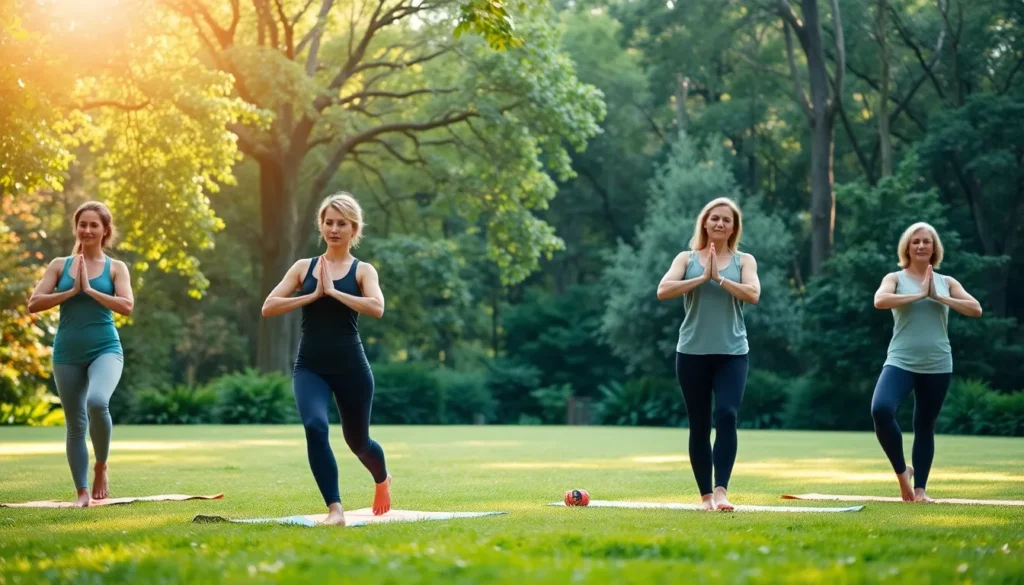
In a world where stress and anxiety seem to be the unwelcome guests at every gathering, finding inner peace can feel like searching for a needle in a haystack. Enter depression meditation, a powerful tool that not only helps clear the mental clutter but also serves as a warm hug for the soul. Imagine trading in those heavy thoughts for a lightness that makes you feel like you just floated out of a yoga class—minus the awkward poses.
While it might sound like a trendy new coffee blend, depression meditation is more than just a buzzword. It’s a practical approach to tackling those pesky negative feelings head-on. By embracing mindfulness and self-compassion, it offers a pathway to reclaiming joy and serenity. So, if you’re ready to swap despair for a dash of zen, this journey into the calming world of meditation might just be your ticket to a brighter day.
Understanding Depression Meditation
Depression meditation serves as a useful strategy for achieving emotional balance. This practice aligns the mind and body, fostering a deeper understanding of personal thoughts and feelings.
What Is Depression Meditation?
Depression meditation encompasses mindfulness techniques specifically designed to address feelings of sadness and despair. This practice focuses on breathing exercises, visualization, and self-affirmations to cultivate awareness and acceptance. Participants often experience improved emotional regulation during their sessions, allowing them to face negative feelings constructively. Practicing regularly can lead to lasting changes in thought patterns and perspectives.
Benefits of Depression Meditation
Depression meditation offers multiple benefits that contribute to mental well-being. It enhances self-awareness, leading to better identification of emotional triggers. This practice reduces symptoms of anxiety, creating a calmer state of mind. Participants frequently report increased feelings of compassion toward themselves and others. Moreover, incorporating meditation into daily routines can establish a foundation for resilience, promoting long-term psychological health. Embracing this practice enriches life by encouraging a more positive outlook.
Techniques Involved in Depression Meditation
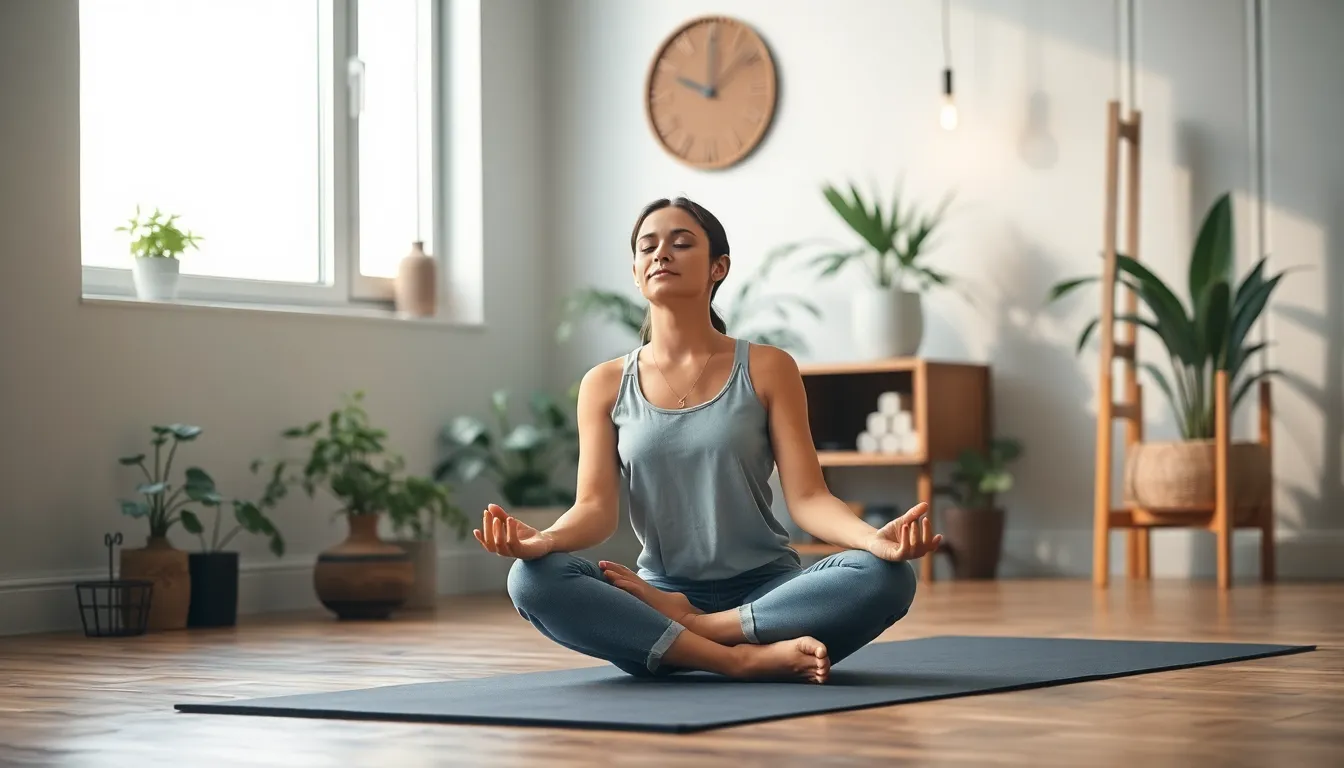
Depression meditation employs various techniques to cultivate emotional balance. Each method addresses specific aspects of mental well-being.
Mindfulness Meditation
Mindfulness meditation centers attention on the present moment. This technique encourages individuals to observe their thoughts without judgment. Practitioners focus on breathing patterns, allowing awareness of sensations and emotions. Regularly engaging in this practice can diminish anxiety levels and reduce negative thinking. Mindfulness cultivates a sense of acceptance towards one’s feelings, providing a pathway to clarity amid emotional distress.
Guided Visualization
Guided visualization utilizes imagination to create calming mental images. In this technique, individuals follow verbal cues to visualize serene environments. These scenarios help foster relaxation and a sense of safety. Imagining positive outcomes can shift focus away from sadness, enriching emotional resilience. Consistent practice of guided visualization enhances overall mood and encourages a hopeful perspective.
Loving-Kindness Meditation
Loving-kindness meditation promotes self-compassion and empathy. This practice involves silently repeating phrases that express goodwill toward oneself and others. Individuals cultivate feelings of love and connection, which counteract feelings of isolation associated with depression. Over time, loving-kindness meditation strengthens emotional bonds and fosters an increased sense of belonging. Practitioners often notice significant improvements in their overall emotional health and interpersonal relationships.
Creating a Meditation Routine
Establishing a meditation routine requires attention to specific elements to maximize benefits.
Setting Up a Comfortable Space
Creating a relaxing environment enhances meditation effectiveness. Choose a quiet area free from distractions. Incorporate soft lighting, comfortable seating, and calming scents like lavender. Personal touches, such as inspiring artwork or plants, can further enhance the atmosphere. Each aspect contributes to a sense of tranquility that encourages deeper focus.
Choosing the Right Time
Selecting an ideal time for meditation plays a crucial role in consistency. Morning sessions often promote a fresh mindset, while evening practices can help unwind from the day’s stress. Find a time that aligns with personal preferences and daily schedules. Incorporating meditation into a routine, such as after waking or before sleep, establishes a habit that fosters emotional resilience.
Duration and Frequency
Determining the duration and frequency of meditation influences its impact. Start with shorter sessions, such as 5 to 10 minutes, gradually increasing to 20 or 30 minutes. Consistency proves essential, so aim for daily practice, even if it’s brief. Regular meditation reinforces emotional balance and fosters sustained improvements in mental well-being.
Overcoming Challenges in Meditation
Meditation often presents challenges, particularly for individuals dealing with depression. Identifying and addressing these obstacles enhances the meditation experience.
Dealing with Distracting Thoughts
Distractions can hinder meditation practice. Recognizing that thoughts naturally arise during meditation is essential. She might gently acknowledge these thoughts without judgment, allowing them to pass rather than engaging with them. Focusing on breath can bring attention back to the present moment. Techniques such as noting thoughts and returning to the breath help cultivate mindfulness. Establishing this awareness creates a more relaxed mental space, enhancing emotional regulation.
Maintaining Consistency
Establishing a consistent meditation routine is crucial for reaping benefits. He can schedule meditation sessions at the same time daily, forming a reliable habit. Creating a designated meditation area free from distractions fosters a tranquil environment. Starting small, with sessions of five to ten minutes, allows for gradual adjustments. She might also track her progress to stay motivated. Adjusting the schedule to personal preferences ensures meditation becomes a fulfilling part of her day.
Embracing depression meditation can transform one’s approach to emotional well-being. By fostering mindfulness and self-compassion, individuals can navigate the complexities of their thoughts and feelings with greater ease. This practice not only promotes emotional balance but also cultivates resilience against life’s challenges.
With consistent effort and the right techniques, such as mindfulness and loving-kindness meditation, practitioners can experience lasting benefits. Creating a dedicated meditation routine tailored to personal needs enhances the overall experience. Ultimately, depression meditation serves as a powerful ally in the journey toward a more positive and fulfilling life.