
Since her debut in 1974, Hello Kitty has been more than just a cute character; she’s become a global icon. With her signature bow and charming smile, this little feline has captured hearts across generations. But how did a simple cartoon cat transform into a billion-dollar brand?
The Birth of Hello Kitty
In 1974, Hello Kitty made her first appearance in Japan, created by the design team at Sanrio. This charming character quickly emerged as a white cat with a distinctive red bow. She officially debuted on a vinyl coin purse, launching a series of merchandise that showcased her adorable design.
Initially called “Kitty White,” Hello Kitty represents a fictional character from the suburbs of London. Young girls primarily embraced her, but her appeal soon transcended age boundaries, reaching a global audience. The company marketed her as a character who communicates feelings rather than using words.
Through the years, various products featuring Hello Kitty have included clothing, accessories, and home goods. Her brand expanded to encompass collaborations with other popular franchises, further solidifying her status. Cultural influences and the rise of kawaii culture also played significant roles in her popularity.
Each decade, she evolved through different styles, resonating with changing trends. Her presence in animated TV shows and merchandise featured prominently in various forms of media. Hello Kitty became an exemplary case of how a character can encapsulate a lifestyle.
By 2023, Hello Kitty became a formidable figure, boasting annual revenues exceeding $1 billion. This brand longevity reflects a keen understanding of market trends and consumer behavior. Over time, Hello Kitty transformed from a simple cat character into a symbol of friendship and innocence.
The Evolution of Hello Kitty
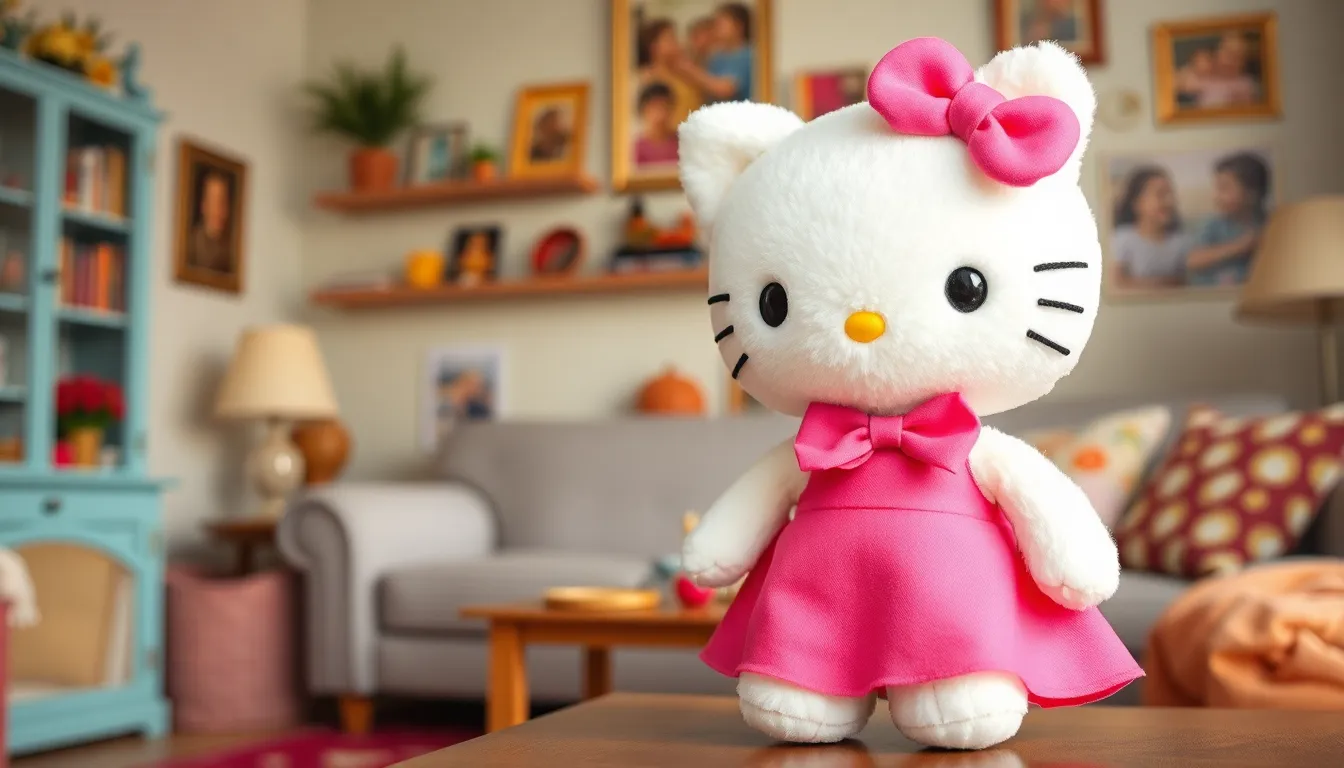
Hello Kitty’s journey exhibits remarkable transformations since her inception in 1974. As a global cultural icon, her influence traverses boundaries and generations.
Key Milestones in Hello Kitty’s History
In 1974, Hello Kitty debuted on a vinyl coin purse, quickly captivating young audiences. The character’s name was “Kitty White,” symbolizing simplicity and charm. By the early 1980s, she expanded into an array of products, including stationery and toys. The first television series featuring her aired in 1993, attracting further attention. In 2008, Hello Kitty celebrated her 35th anniversary, marked by special merchandise and events. By 2023, annual revenues surpassed $1 billion, highlighting her continued market relevance. Each milestone reflects a deep understanding of consumer preferences and trends.
Cultural Impact Over the Decades
Hello Kitty’s cultural reach has expanded significantly since the 1970s. The rise of kawaii culture in Japan, which emphasizes cuteness, played a pivotal role in her popularity. Animated series and merchandise introduced her to diverse audiences globally. In the 1990s, she gained a foothold in Western markets, appearing on clothing and accessories. Collaborations with various brands, including luxury fashion houses, further solidified her status. Through the years, Hello Kitty has evolved into a symbol of friendship, innocence, and nostalgia. Her presence in pop culture, including events and social media, continues to resonate with fans across different age groups.
Hello Kitty Merchandise
Hello Kitty merchandise has evolved significantly since her introduction in 1974. A wide array of products appeals to fans of all ages, reflecting her versatile brand.
Popular Products Since Launch
Greeting cards and stationery set the stage for Hello Kitty’s early success. Clothing items, including t-shirts and pajamas, quickly followed, catering to young audiences. Accessories such as backpacks, purses, and jewelry became staples, further integrating her into everyday life. Plush toys emerged as fan favorites, offering a tangible connection to the character. Home goods like bedding and kitchenware captured the hearts of collectors, making her presence felt in households. Each product, from toys to apparel, emphasizes her charm and relatability, ensuring a constant demand.
Collaborations and Special Editions
Collaborations significantly expanded Hello Kitty’s reach. Partnerships with global brands, such as Puma and Sephora, introduced her to new demographics, merging fashion with nostalgia. Special edition items, often released for anniversaries and events, attract collectors eager to own unique pieces. Collaborations with luxury designers capture attention, blending high fashion with playful elements. Iconic merchandise like Hello Kitty-themed cosmetics and limited edition apparel showcases her cultural impact. Each collaboration highlights her adaptability, ensuring relevance across diverse markets.
Hello Kitty in Popular Culture
Hello Kitty’s influence extends beyond merchandise into various aspects of popular culture, resonating with fans worldwide.
TV Shows and Movies
Multiple TV shows and films feature Hello Kitty. In 1993, her first animated series introduced audiences to her charm and simplicity. Subsequent series, such as “Hello Kitty’s Furry Tale Theater,” further showcased her adventures and friendship themes. 2019 saw the release of “Hello Kitty: The Movie,” which reached new audiences while celebrating her legacy. Each adaptation emphasized values like love and kindness, reinforcing her connection to fans.
Influence on Fashion and Art
Hello Kitty made significant strides in the fashion industry. Collaborations with brands like Forever 21 and Sephora highlighted her versatility and appeal across demographics. Designers often incorporate her image into high-fashion collections, illustrating her impact on contemporary art. She has inspired countless artists who reinterpret her character in unique ways. Events like pop-up shops and art exhibits further showcase her integration into the fashion world, blending nostalgia with modern style. FASHION and art communities embrace her, ensuring her relevance in today’s cultural landscape.
Hello Kitty’s journey from a simple character to a global phenomenon is a testament to her enduring appeal. Since her introduction in 1974, she has captivated hearts across generations, evolving with changing cultural trends while maintaining her core identity.
Her ability to adapt and thrive in various markets showcases a keen understanding of consumer desires. With a diverse range of products and collaborations, Hello Kitty continues to resonate with fans young and old.
As she approaches her 50th anniversary, her legacy remains strong, proving that this charming feline is much more than just a character. She embodies friendship, nostalgia, and a unique cultural significance that ensures her place in the hearts of many for years to come.