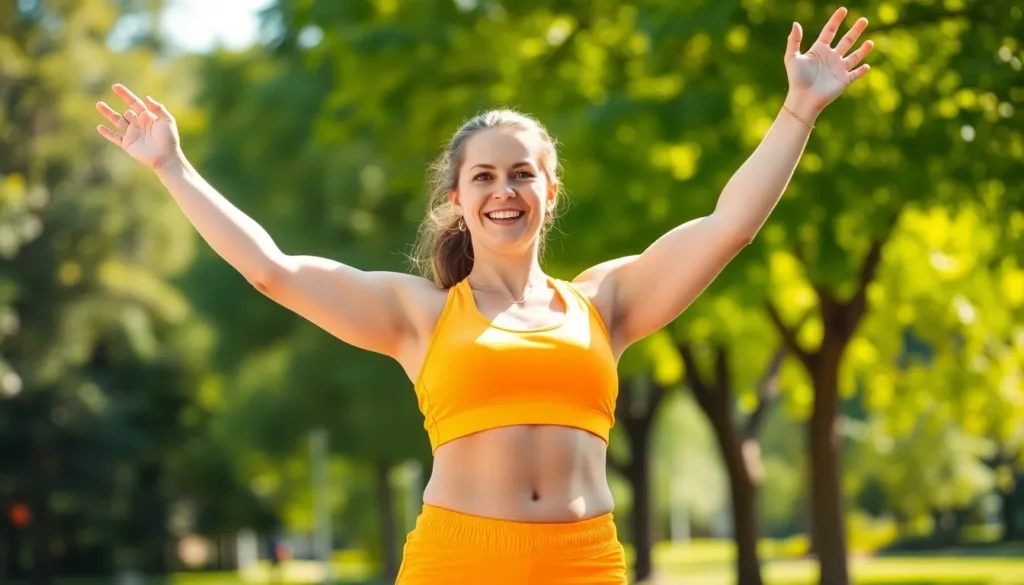
In today’s fast-paced world, finding balance can feel like a daunting task. Mindful workouts offer a refreshing approach to fitness by blending physical activity with mental awareness. This practice encourages individuals to connect with their bodies and thoughts, transforming exercise into a holistic experience.
Rather than rushing through routines, mindful workouts emphasize the importance of being present. Whether it’s through yoga, tai chi, or mindful running, these practices promote not just physical strength but also mental clarity. By focusing on breath and movement, participants can reduce stress and enhance their overall well-being. Embracing mindful workouts can lead to a healthier lifestyle, fostering a deeper connection between mind and body.
What Are Mindful Workouts?
Mindful workouts blend physical exercise with mental awareness. These practices enhance the connection between body and mind, fostering mental clarity and physical endurance.
The Concept of Mindfulness in Exercise
Mindfulness in exercise involves being fully present during each movement. It encourages participants to focus on their breath and bodily sensations. This approach shifts attention from distractions, allowing for a deeper connection to the workout. Techniques include observing thoughts without judgment and engaging with feelings throughout the session. Mindful practices, like yoga and tai chi, exemplify this connection, emphasizing slow and deliberate movements.
Benefits of Combining Mindfulness and Workouts
Combining mindfulness and workouts offers multiple benefits:
- Stress Reduction: Mindful workouts lower cortisol levels, reducing stress and anxiety.
- Enhanced Focus: Practicing mindfulness increases concentration, allowing for better form and execution.
- Improved Physical Performance: Greater body awareness leads to improved strength and flexibility.
- Emotional Regulation: Mindfulness cultivates self-compassion and emotional resilience, enhancing overall well-being.
- Higher Enjoyment of Exercise: Mindful practices make workouts more satisfying, fostering a positive attitude toward physical activity.
Incorporating mindfulness into workouts leads to a holistic approach to fitness, benefiting both body and mind.
Types of Mindful Workouts
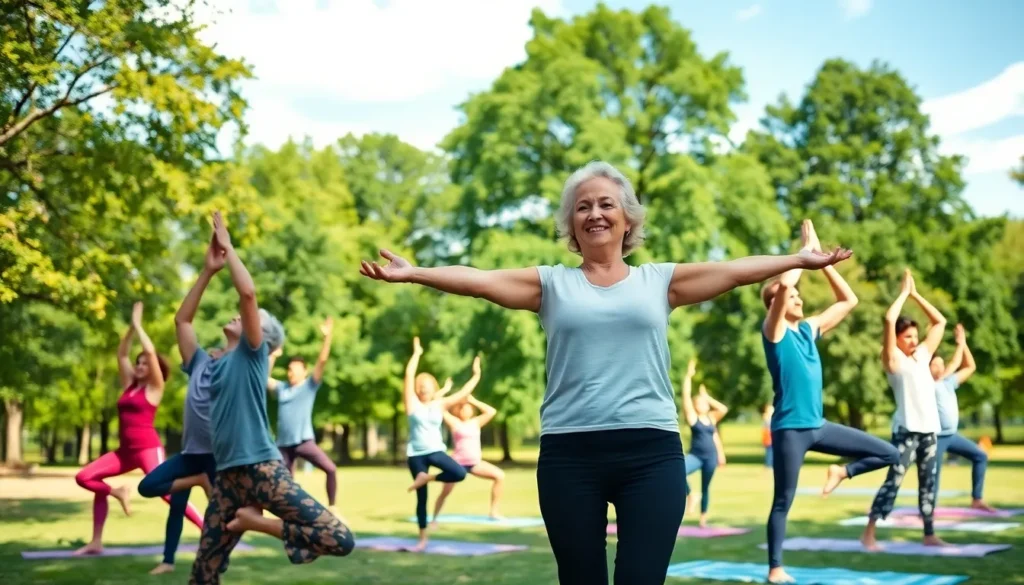
Mindful workouts encompass various practices that enhance awareness and connection with the mind and body. These types include yoga, tai chi, and mindful walking or running, each offering distinct benefits and emphasizing the integration of mindfulness into physical activity.
Yoga and Its Variants
Yoga combines physical postures, breathing techniques, and meditation to promote mindfulness. Styles such as Hatha, Vinyasa, and Yin focus on different aspects of practice, catering to various fitness levels. Hatha yoga emphasizes foundational poses and breathing, making it ideal for beginners. Vinyasa links breath with movement, creating a dynamic flow that fosters presence during exercise. Yin yoga involves long-held postures that encourage deep stretching and introspection, enhancing relaxation. Engaging in any of these yoga variants nurtures a stronger mind-body connection, reduces stress, and improves flexibility.
Tai Chi Practices
Tai chi, often described as “meditation in motion,” incorporates fluid, graceful movements performed in a slow, mindful manner. This practice promotes mental clarity and physical balance through focused attention on each movement. Various forms of tai chi, such as Yang, Chen, and Wu, offer different structures and techniques, allowing individuals to choose one that resonates with them. Regular practice enhances coordination, reduces anxiety, and fosters overall well-being by encouraging relaxation and mental focus.
Mindful Running and Walking
Mindful running and walking encourage practitioners to focus on their breath, sensations in their body, and the surrounding environment. Mindful running combines the rhythmic nature of running with an acute awareness of each step, breath, and the ground beneath. Walking mindfully involves paying attention to each movement and the feelings generated during the process. Both practices cultivate presence, reduce stress, and enhance enjoyment of exercise. By fully engaging with the activity, individuals can enhance their cardiovascular fitness while fostering mental clarity and emotional well-being.
How to Incorporate Mindfulness Into Your Workouts
Incorporating mindfulness into workouts enhances the experience and strengthens the mind-body connection. Key strategies include setting intentions, focusing on breath, and practicing gratitude during exercise.
Setting Intentions Before Exercise
Setting intentions creates a purposeful approach to the workout. Before starting, individuals can take a moment to identify specific goals, such as improving flexibility, building strength, or reducing stress. By declaring these intentions, participants engage their minds, establishing a clear focus that guides their practice. Writing intentions down or verbalizing them can deepen the commitment and create a motivating mindset throughout the workout.
Focusing on Breath and Movement
Focusing on breath and movement is essential in mindful workouts. Individuals can synchronize their breath with each movement, cultivating awareness in every action. Deep, conscious breathing promotes relaxation and enhances oxygen flow, improving physical performance. Paying attention to bodily sensations during exercise, such as the feeling of muscles contracting or the rhythm of the heartbeat, allows for a richer connection to the workout. This practice fosters a state of presence, making movement more enjoyable and effective.
Practicing Gratitude During Workouts
Practicing gratitude during workouts fosters a positive mindset and enhances overall well-being. Individuals can take moments throughout the session to appreciate their bodies and acknowledge their efforts. Gratitude can involve reflecting on the ability to move, recognizing progress, or appreciating the environment. This attitude shifts the focus from challenges to appreciations, reinforcing a healthier relationship with fitness. Engaging in gratitude practices cultivates joy and fulfillment, leading to a rewarding exercise experience.
The Impact of Mindful Workouts on Mental Health
Mindful workouts significantly contribute to improved mental health by reducing stress and enhancing emotional well-being. These practices provide tools to manage daily challenges and promote a balanced mind.
Stress Reduction Techniques
Mindful workouts incorporate specific techniques to alleviate stress. Participants often utilize techniques such as deep breathing, progressive muscle relaxation, and visualization to lower cortisol levels. Practicing mindfulness during workouts encourages individuals to focus on their breath and bodily sensations, fostering a sense of calm. For example, yoga poses such as Child’s Pose and Forward Fold facilitate relaxation by promoting deep, restorative breathing. Tai chi’s slow, deliberate movements enhance mental clarity while calming the nervous system. Engaging in these mindful exercises regularly creates an effective barrier against stress, ultimately leading to healthier coping mechanisms.
Enhancing Emotional Well-Being
Mindful workouts play a vital role in enhancing emotional well-being. Engaging fully in physical activity helps individuals recognize and process their emotions. The practice of setting intentions during workouts can lead to greater self-awareness, allowing for reflection on personal thoughts and feelings. Activities like yoga and tai chi often incorporate elements of meditation that encourage emotional regulation. This cultivation of presence helps mitigate anxiety and depression by fostering a positive mindset. Additionally, research shows that physical activity releases endorphins, known as “feel-good” hormones, elevating mood and overall mental resilience. Mindful workouts not only promote physical health but also offer essential emotional support.
Mindful workouts offer a transformative approach to fitness that nurtures both body and mind. By integrating awareness into physical activity, individuals can experience enhanced emotional well-being and reduced stress. The practices of yoga, tai chi, and mindful running not only improve physical performance but also foster a deeper connection to oneself.
Adopting strategies like setting intentions and focusing on breath can elevate the workout experience, making it more fulfilling. As people embrace mindful workouts, they pave the way for a healthier lifestyle that prioritizes mental clarity and emotional resilience. This holistic approach to fitness is essential for thriving in today’s fast-paced world.